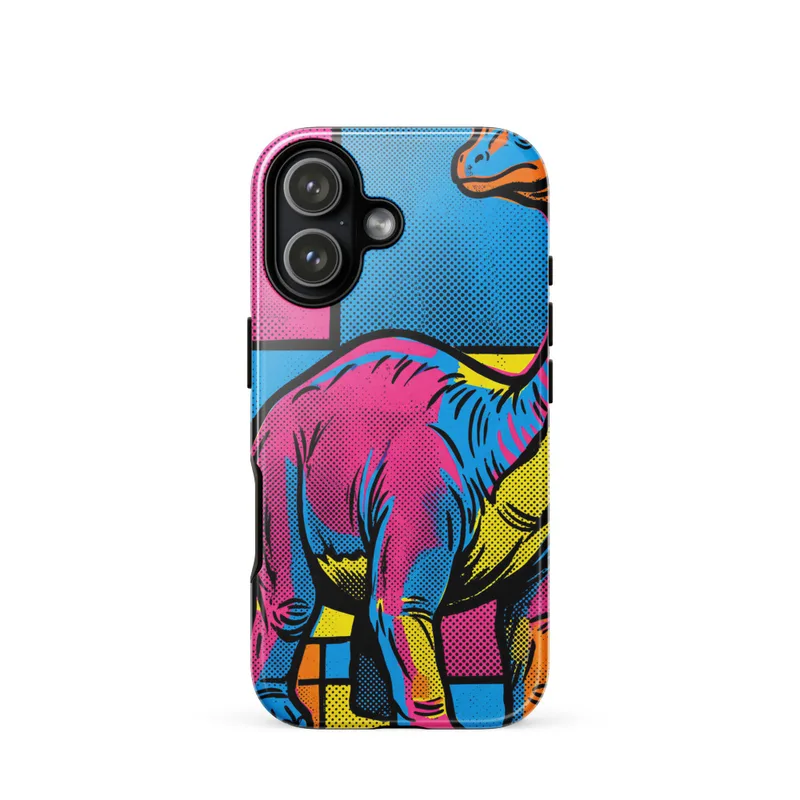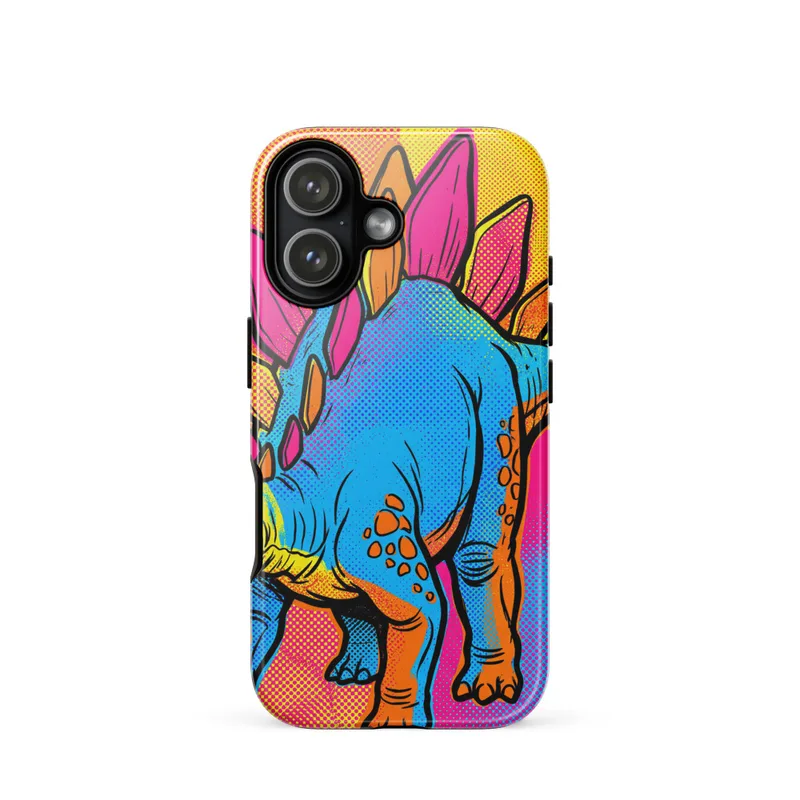
Triceratops Skeleton Art Print, vintage scientific engraving, natural history wall art, dinosaur gift for collectors
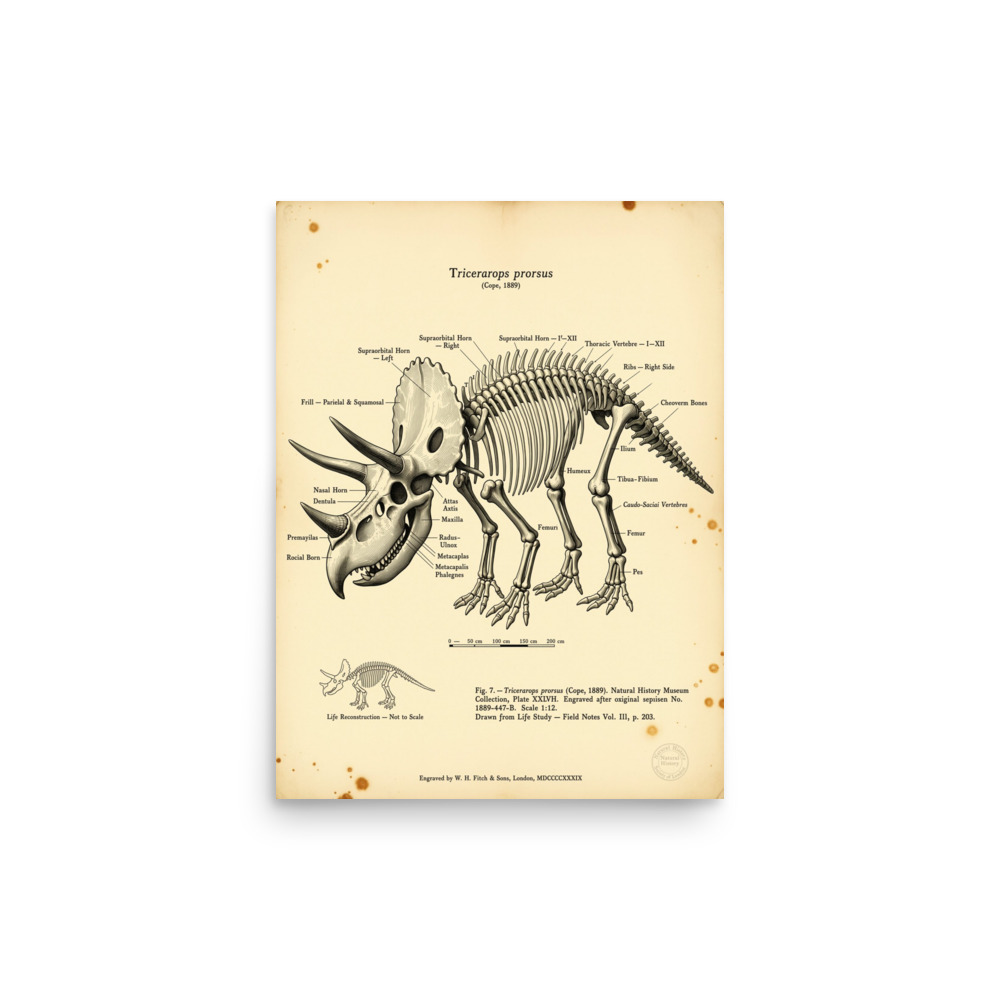
A vintage scientific illustration of a Triceratops skeleton presents detailed anatomical line work in the museum natural history engraving style, with black ink drawing across warm aged cream paper. Printed on Enhanced Matte Paper (189 g/m²), this art print brings a thoughtful 19th-century journal feel to a study, library, or dinosaur lover’s gift.
In a quiet study, library, or reading corner, this print suits the hour when the room settles into lamplight and the last daylight reaches across the wall. Hang it above a writing desk, beside a low bookcase, or near a leather reading chair, where its warm cream ground can pick up the amber tones of a lamp and the grain of nearby wood. It sits comfortably among natural-history books, fossil casts, framed maps, and small objects collected from travels or museum visits. In brighter daylight, the dark drawing reads with clear definition; in softer evening light, the cream paper gives the arrangement a muted, archival presence without making the corner feel formal or crowded. It also works in a child’s room or home office for someone who prefers dinosaur subjects presented as scientific subjects rather than bright cartoon characters. The print gives a wall a considered point of focus while leaving space around it for shelves, certificates, or a narrow picture ledge.
The image shows a Triceratops skeleton assembled in a detailed black-ink study. Its large skull anchors the composition, with the three horns, hooked beak, and broad bony frill carefully described through fine lines and measured shading. The spine runs back from the neck into a long tail, while the ribs open beneath it in a repeated curved pattern. Heavy forelimbs and hind legs give the animal a grounded, weight-bearing structure, and the joints, smaller bones, and changes in line density make the anatomy easy to examine at close range. Against the warm aged-cream paper, the ink has the character of a printed plate from a natural-history journal: precise, restrained, and focused on form. Rather than showing a landscape or a dramatic prehistoric scene, it keeps attention on the skeleton itself, making the print suitable for someone interested in fossils, comparative anatomy, museum displays, or the visual language of scientific illustration. Details reward a closer look from a desk chair or reading spot, while the overall silhouette remains legible from across the room.
For the wall, try soft white, parchment, pale putty, sage green, dusty blue, or a deep charcoal that brings out the black line work. A slim black frame gives it the direct appearance of a specimen plate; medium oak or walnut adds warmth and connects it to bookshelves and desks; an aged brass frame can echo the cream ground without introducing a bright colour. Hang it alone above a desk or chest, or place it in a small arrangement with a botanical engraving, an old map, a fossil photograph, or another plate from the Vintage Scientific Dino series. It can also sit beside a glass cabinet of fossils, a row of natural-history books, or a framed diagram with similarly fine lines. Keep neighbouring pieces in quiet colours—black, brown, cream, olive, and faded blue—so the Triceratops remains distinct without looking isolated. For a collector’s wall, align several prints along their lower edges; for a more relaxed arrangement, vary the frame sizes while keeping a consistent gap between each piece.
| Material | Enhanced Matte Paper (189 g/m²) |
| Digital printing | |
| Care | Frame or mount out of direct sunlight; wipe gently with a dry, soft cloth. |
| Shipping | Made to order — ships in 2–5 business days |